


Here is a bit from my research statement written last year
American philosopher John Dewey once wrote that “Philosophy recovers itself when it ceases to be a device for dealing with the problems of philosophers and becomes a method, cultivated by philosophers, for dealing with the problems of men”(and may I add, of women).[J. Dewey, “The Need for a Recovery in Philosophy”, MW, 1917]
Philosophy has been charged over and over of irrelevance for our contemporary world. While I see some grounds for such charges, I am deeply committed, with many others, to recovering our discipline’s vital role for the lives of persons in society. For my individual scholarship, this translates in a deliberate effort to accompany scholarly work with lived and situated experiences. My extended activity in the field with children, students and teachers demands much of my time but it is necessary for me to connect to my academic discipline, and access its parts that are transformative for me and others.
Here are 3 themes to describe my thinking/writing/research so far
( in order of how the themes came to be interesting to me, publication order varies because it depends on so many other factors, like time, fortune, benevolence, free labor by others) ( I am giving you some preferred pubs please refer my CV or to me or to good old google for more)
a. memory and memories in the context of global citizenship education (article: “The Work of Memory in the Project of Cosmopolitan Education” 2016, article: “’Seeing through serpent and eagle eyes’: Teachers as Handlers of Memories” with E. Stutelberg, 2020)
b. anti-reductionist conception of teaching to reclaim teaching as an intellectual work, thereby advocating for the role of philosophy in the preparation of teachers. (article:”Be here, now. Philosophical Consideration on Teacher Presence” 2015; conference presentation:“Reclaiming the Human: The Mechanization of Teaching in Contemporary Education” 2017)
c. philosophy as fundamental part of education Looking at philosophy as a practice and seeing it as a fundamental part of the life of humans, I rethink its place in the education of everyone regardless of age, income bracket, gender and perceived ability. (article under review: “Philosophizing as Education” 2021)
Things to come…
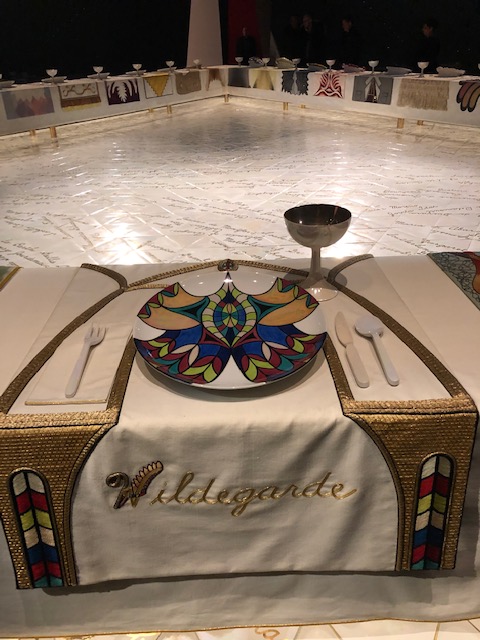
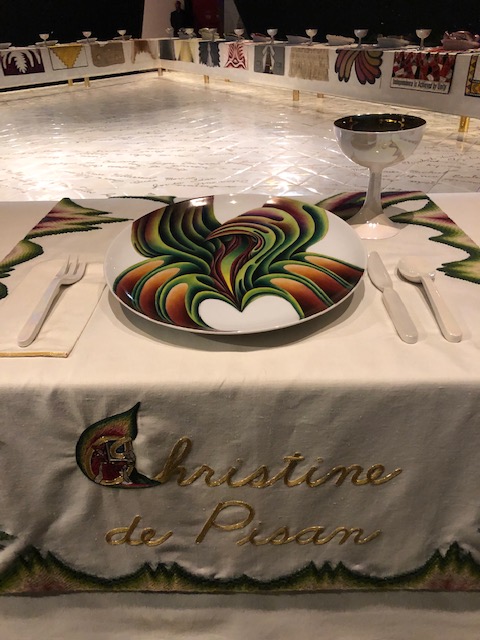
I am starting my sabbatical in Fall 2020, with a pandemic in full swing. Much of my interests and priorities feel in transformation right now. There are some projects I have completed and are, so to say, through the pipeline ( talk about industrial imagery). For example, I worked on a long chapter on Medieval and Renaissance Women Writers in Education which should see the light of the day probably next year, nestled in an ambitious series on the History of Philosophy of Education by Bloomsbury Press (editors: Megan Laverty and David Hansen). It talks about Hrosvitah, Hildegard, Marguerite Porete, Cristina Pizan and Gournay. I loved spending time studying these women’s works. I hope to do more of this type of study in the future.



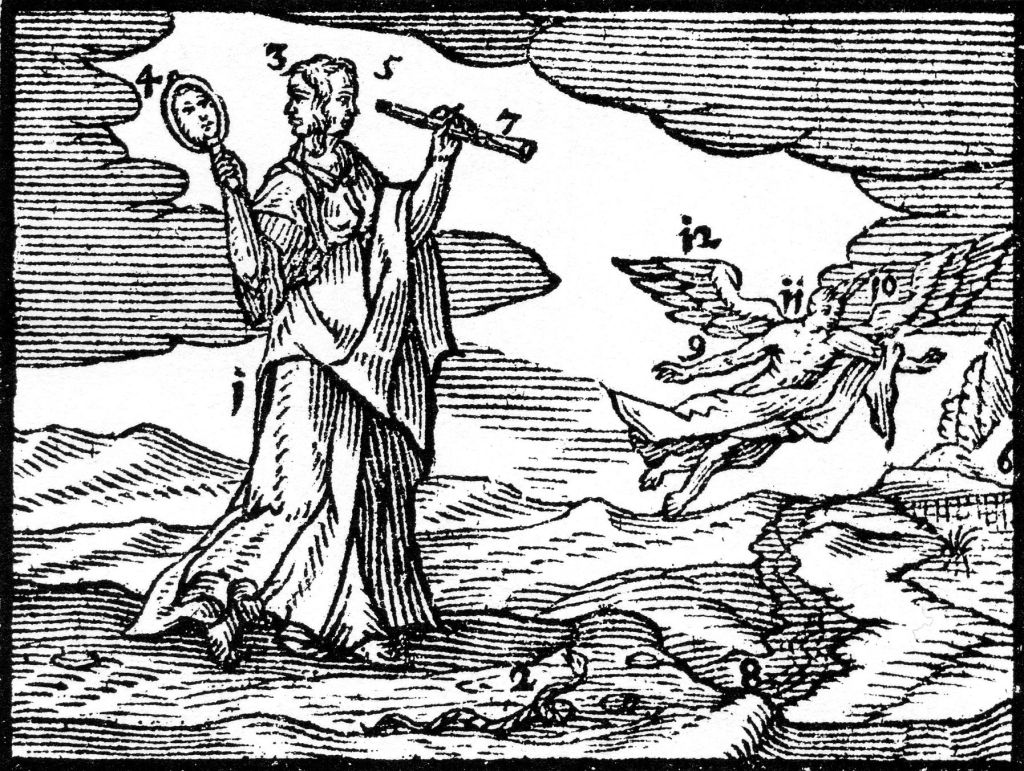
Some years ago I learned of a small nearly forgotten piece of writing by Comenius- the genial polymath and educator of the XVII century- Diogenes Redivivus. It is a school play he wrote for his students about the Cynic philosopher- Students presented the community play in the public square while their families looked on and learned about philosophy. I want to learn more about this early modern experiment in community outreach where kids get to educate their elders and engage in intergenerational philosophy-dialogue. Stay tuned!
 Cristina Cammarano