I understand myself as a teacher first, and a philosopher later. I think philosophy should part of everyone’s education. Given that philosophy is nearly only taught in Higher Education in the USA, I think it is vital for academic philosophers to engage with the larger community in various outreach forms. There are countless reasons why, ranging from considerations of the inherent educational capacity in philosophical thinking to ideas of democratic educated citizenry. I wrote more on this issue here.
In Salisbury, I happily inserted myself in my Department’s tradition of public outreach. In the past six years, I have had a lot of fun organizing outreach activities. I do not do it alone, as my students come along either as part of an optional enrichment course component ( for example in my Philosophy of Education course), or as volunteers (because it is that cool). Some programs have received support from Maryland Humanities, from the SU Fulton Dean’s office, and from the Whiting Foundation.
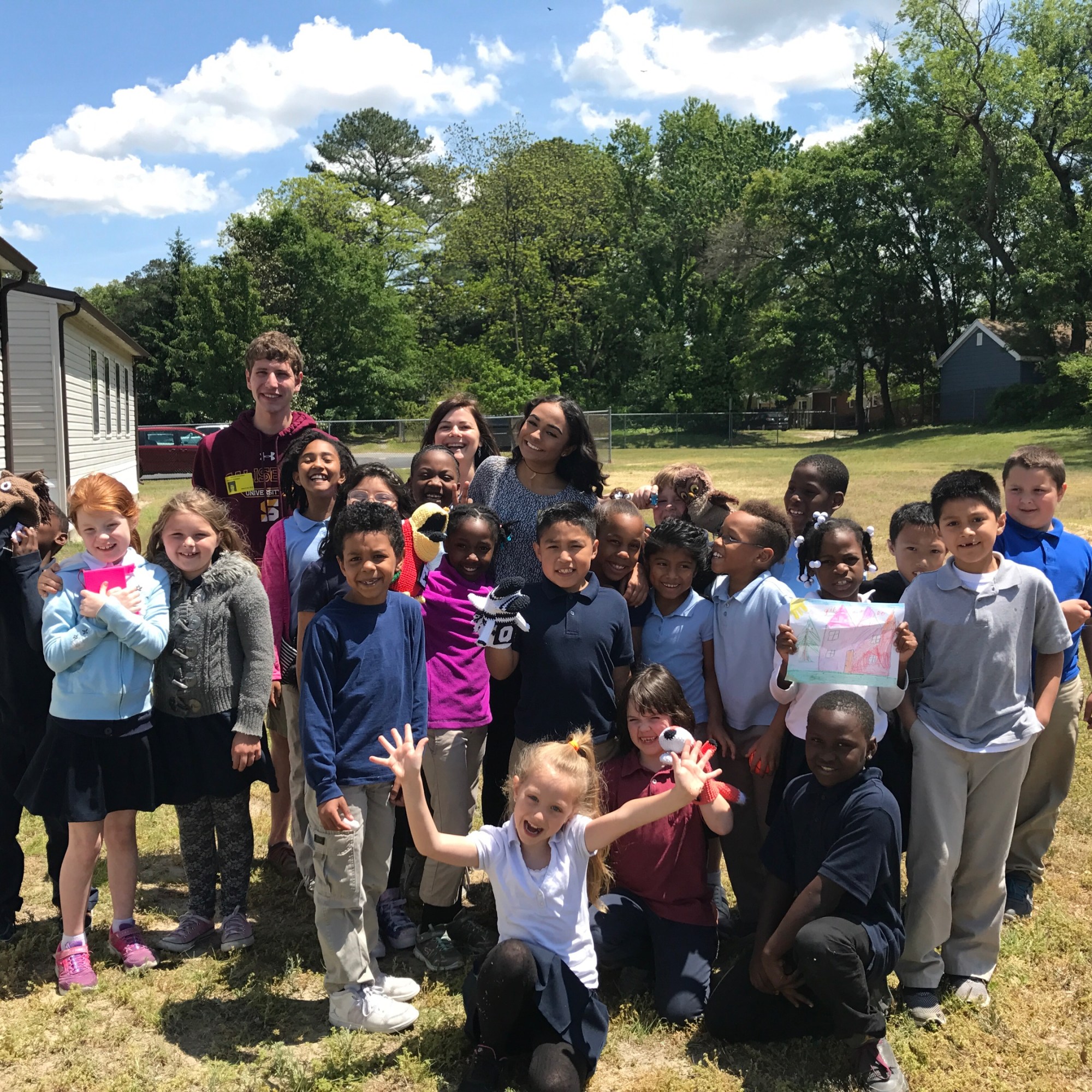
My main, most regular outreach is to K-12 schools. I do weekly visits in which my students and I facilitate philosophical discussion with the children and teachers. This simple activity is so rewarding for everyone involved. Here you can read what my friend Stephanie Burdick-Shepherd and I wrote about what college students learn doing philosophy with children. A couple of years ago this interview on Engaged Philosophy let me talk some more about what I do and how it impacts me and others.

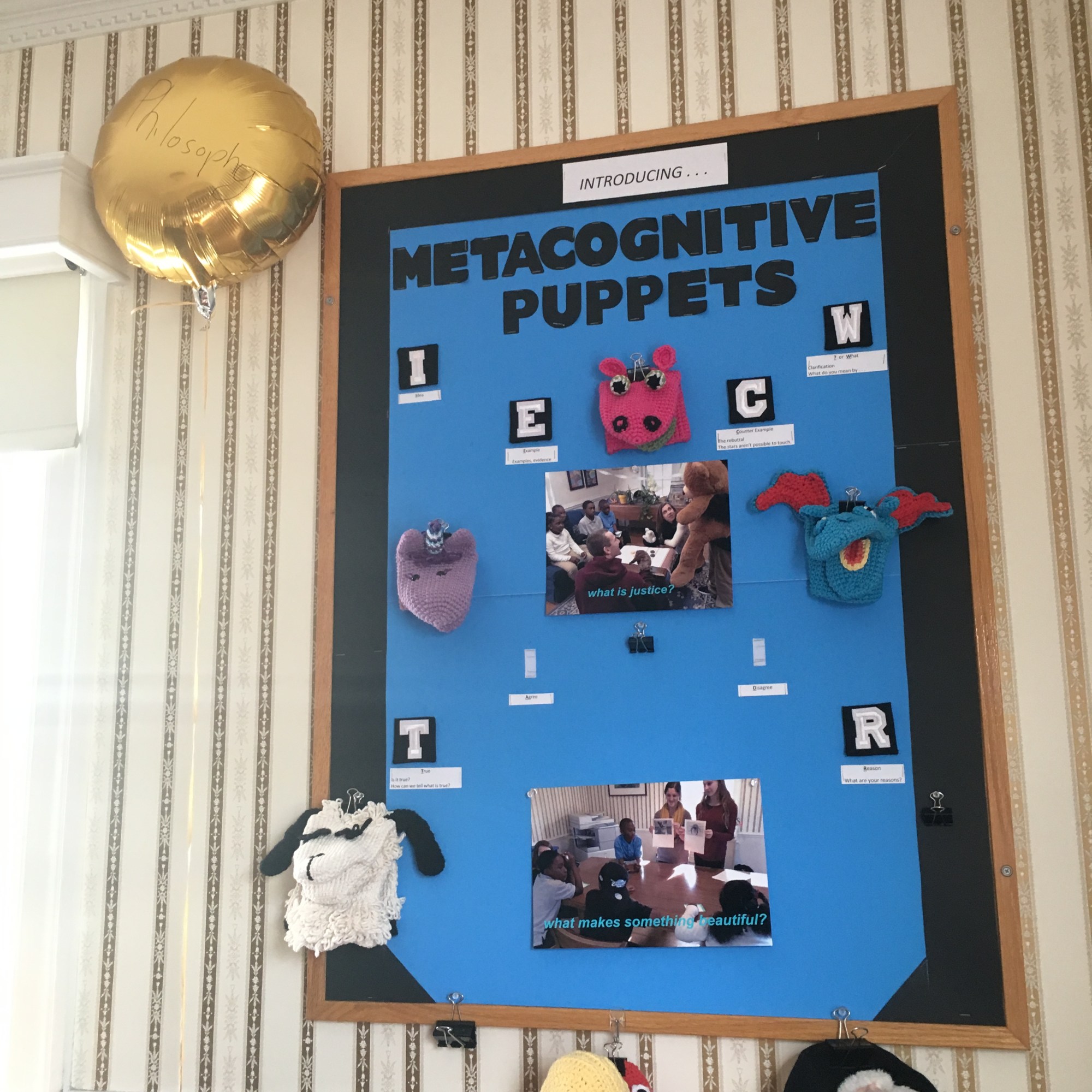

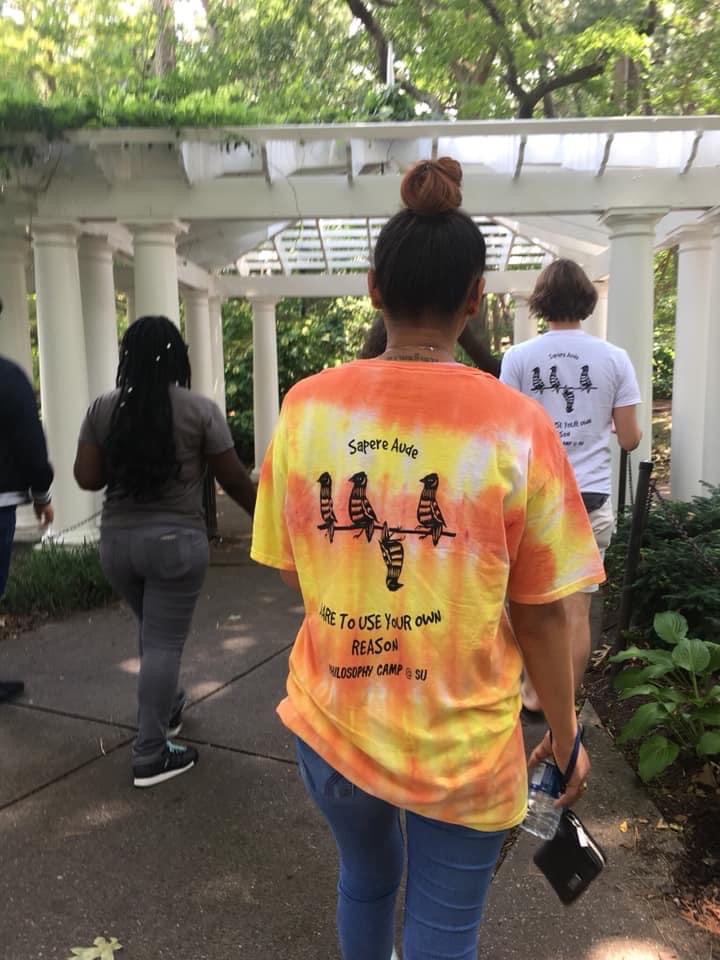
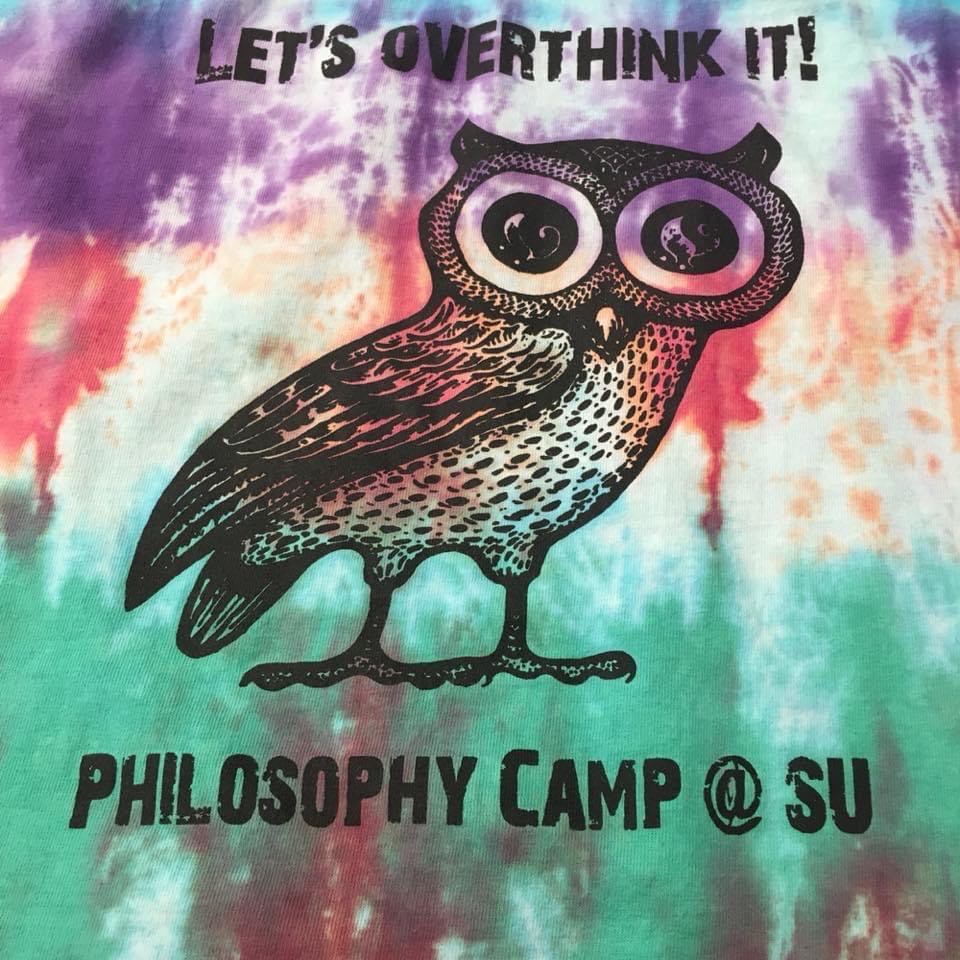
In summer ’18 and ’19 we had a Philosophy Summer Camp for local high school students. For one week, they participated in pre-college philosophy lessons, discussions, activities and more discussions. I look forward to more once the pandemic is over and we can start enjoying the pleasures of human company again.

If you are a K-12 teacher in the Eastern Shore and would like to hear more about it, please contact me!
Thank you for your response. ✨

In the past Summer and Fall 2020 together with my students Kimberly and Esteban we lead a project of creation of stories and discussion materials for philosophical discussion with children drawn from Mesoamerican Indigenous traditions.
Here is the introduction to the project:
“No estudio por saber más, sino por ignorar menos.”-Sor Juana Ines De La Cruz
“KATSI TXUMU’N
Katsi meaning knowing in Totonaco and txumu’n meaning idea in Maya Awakateko.
We understand the global pandemic has caused things to be different. As a pair of indigenous students who love teaching we strive to create stories inspired by our Mesoamerican traditions for an easy stay-at-home activity!

- Cuento I- Chantico(by Kimberly Arriaga-Gonzalez) p.3
- A Mother’s Huipil ( by Esteban Garcia-Ailon) p.7
- The Final Battle ( by Esteban Garcia-Ailon) p.11
- Teteoinnan/Toci || Mother of the gods, Our grandmother (by Kimberly Arriaga-Gonzalez) p. 16
- The Warrior in: We Run for the mountains ( by Esteban Garcia-Ailon) {**trigger alert: war and genocide**} p.24
- Moonshoes (by Kimberly Arriaga-Gonzalez) p.35 “
On November 14th we lead a virtual story time with the local public library in which we read two stories and discussed themes of trust, memory, clothes, thankfulness with a small group of 12 children from 5 to 11 years old. You can read about it here.
 Cristina Cammarano